The ANUA PDRN Hyaluronic Acid 100 Moisturizing Cream is a face moisturizer named for two ingredients, PDRN and hyaluronic acid. This anua pdrn hyaluronic acid 100 moisturizing cream review judges it only on its label, the brand’s claims and a patch test you can run yourself. It looks worth trying if the ingredient list suits your skin.
What is the ANUA PDRN Hyaluronic Acid 100 Moisturizing Cream meant to do?
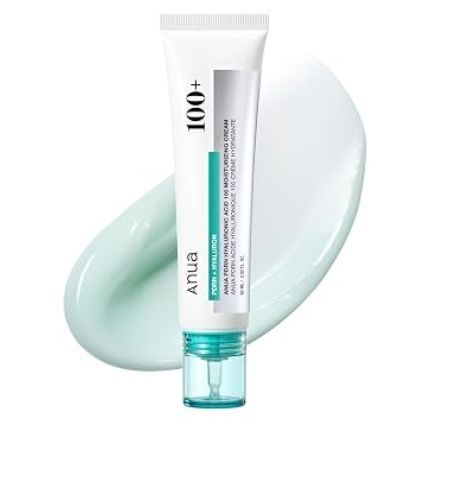
It is meant to moisturize the skin, and the name tells you which ingredients the brand wants you to notice. Hyaluronic acid is a very common moisturizer ingredient, and PDRN is short for polydeoxyribonucleotide, which brands use as a selling point in skincare. Together they suggest a hydrating cream with a slightly more “treatment” feel than a plain moisturizer.
That is as far as the name can take you. The exact claims, such as how long hydration lasts or what PDRN is said to do for skin, are written on the brand’s own product page and packaging. Read those directly, and treat them as the brand’s description of its own product, not as proof.
One detail worth pausing on is the “100” in the name. Unless the packaging explains it, you cannot know what it refers to, so do not assume it means 100 percent of anything. A number in a product name is marketing until the label says otherwise.
What do the label and Ingredient list actually tell you?
The ingredient list tells you what is in the jar, in descending order of amount for most products, and the front of the box tells you what the brand wants you to think. Most of what you can verify sits on the back of the packaging or the product page’s full ingredient listing.
When you read it, check these things:
- Where hyaluronic acid and PDRN appear. Ingredients listed near the top are present in larger amounts than those near the end. If a headline ingredient sits near the bottom, it is likely a small share of the formula.
- Fragrance or essential oils. These are common triggers for irritation in sensitive skin, so look for them by name.
- Anything you already know bothers your skin. If a past product caused a reaction, compare its ingredients with this one.
- The source of PDRN. Some people avoid certain animal-derived ingredients. If this matters to you, look for it on the brand’s page, and contact the brand if it is not stated.
- Size and directions. Note how much you get and how the brand says to use it.
A label cannot tell you how the cream feels, how it wears under sunscreen or makeup, or whether your skin will like it. It narrows the field, and a patch test and a few weeks of use do the rest.
Who is this cream likely to suit, and who should skip it?
It is most likely to suit someone looking for a hydrating everyday cream who has no known sensitivity to its ingredients. A hyaluronic acid moisturizer is a reasonable first choice if your skin feels tight or dry and you want something simple to add to a morning or evening routine.
You may want to skip it, or check with a professional first, in these cases:
- You have a diagnosed skin condition such as eczema, rosacea or dermatitis. A dermatologist knows your skin better than any review does.
- You are pregnant or nursing and are unsure about any ingredient. A doctor can answer that for you.
- You have a known allergy to anything on the ingredient list.
- You avoid animal-derived ingredients and the product page does not confirm the PDRN source.
- You are already using strong active products and your skin is irritated. Adding a new cream then makes it harder to tell what is causing what.
This is general guidance, not medical advice. If your skin reacts badly to anything, stop using it.
How do you test a new moisturizer safely at home?
Test it on a small patch of skin first, then introduce it to your face on its own for a couple of weeks. Changing one product at a time is the only way to know what caused a reaction.
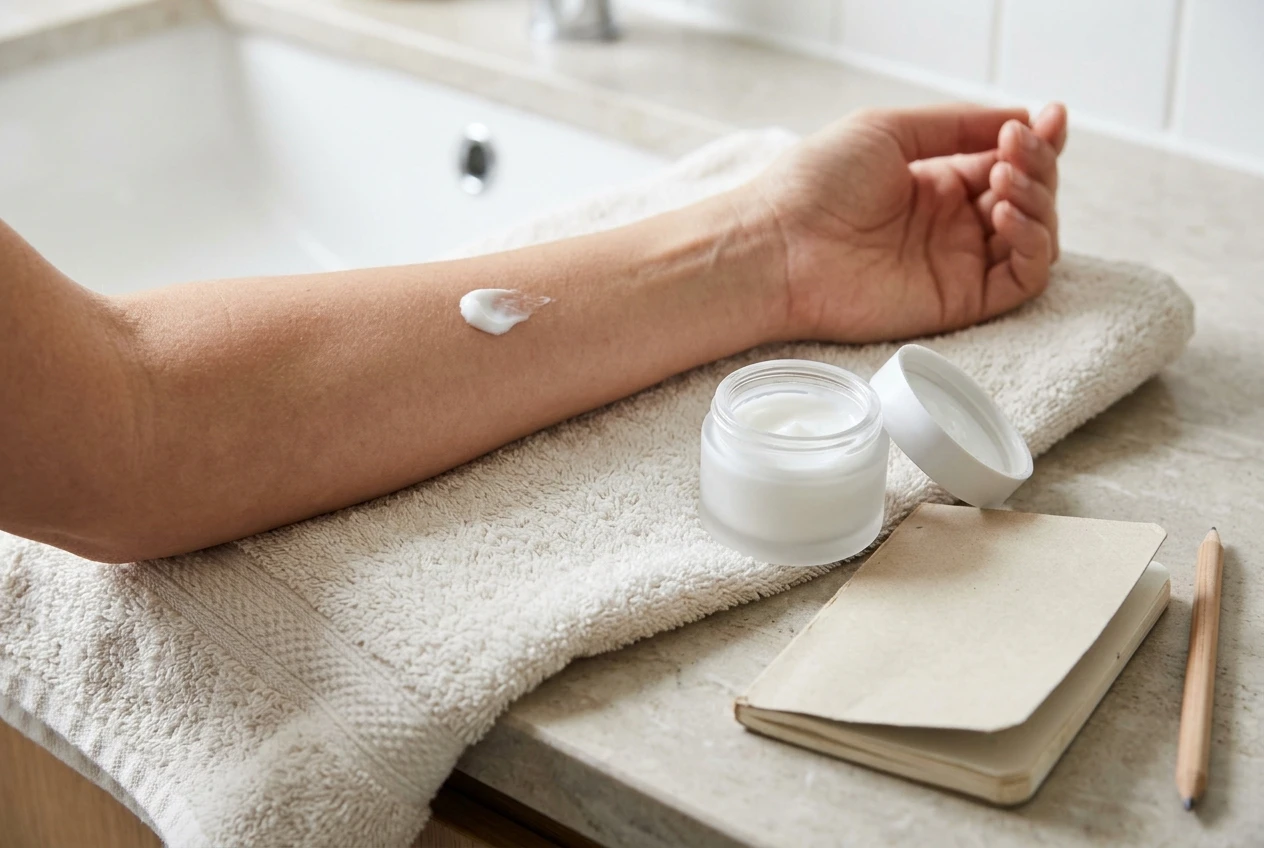
Here is a simple sequence:
- Read the ingredient list and compare it with anything that has bothered your skin before.
- Patch test. Put a small amount on the inner forearm or just behind the ear, where the skin is thin, and leave it alone.
- Wait 24 hours. Watch for redness, itching, burning, bumps or swelling. If you see any, wash it off and do not use the cream on your face.
- Start with a small amount on your face, once a day, for the first few days.
- Change nothing else. Keep your cleanser, sunscreen and other products the same so the cream is the only variable.
- Give it two to four weeks before you decide how you feel about it, and note what you see in plain words: dryness, comfort, texture, any breakouts.
Write your notes down as you go. Notes taken at the time are more reliable than memory, and they are the raw material of an honest review.
What did we like, and what should you question?
Judged on paper, the good points are real but modest. The product combines a familiar hydrating ingredient with a trendier one, the name states what it contains, and the format is a cream, which is an easy step for a beginner to add.
Here is what to like and what to question side by side:
Point Worth liking Worth questioning Hyaluronic acid A well-known hydrating ingredient Its position in the ingredient list and how it feels on your skin PDRN A distinctive ingredient that sets it apart from plain creams What the brand says it does, and what evidence supports that The “100” in the name Eye-catching What it actually refers to, if anything the label can confirm Brand claims Show what the brand intends They come from the seller, so they are not independent results Your own experience Your patch test is real evidence for you One person’s skin does not predict another’s
This review has not claimed any results because none were observed here. If a review says “my skin looked ten years younger in a week” without showing how that was measured, question it. The most useful sentence a reviewer can write is often “here is what I can and cannot tell you.”
How does it compare with other moisturizers you might consider?
Compared with other moisturizers, the difference is mainly in the ingredient story, so compare by type and by what your skin needs. Without confirmed details on price, size or full formula, a fair comparison deals in categories, not rankings.
If you want Consider Check first A simple, fuss-free cream A basic fragrance-free moisturizer Whether it has the hydrating ingredient you like A hydration-focused cream A hyaluronic acid moisturizer such as this one Ingredient order, texture, fragrance Something for a skin condition A product recommended by your dermatologist Their advice before anything else The lowest cost The cheapest moisturizer that passes your patch test Price per amount, at the retailer you use
Look up the current price and size on the retailer’s page yourself, because prices change and a figure written in an article goes out of date. A pricier cream is not automatically better, and a trendy ingredient does not guarantee a better result for your skin.
What can this review teach you about writing honest affiliate reviews?
It shows that an honest review states what the writer knows, what the brand claims and what remains unknown, and keeps those three apart. Readers trust a review that admits its limits more than one that promises everything.

If you are new to promoting products, these habits make a review believable:
- Separate evidence from claims. “The label lists hyaluronic acid” is a fact you can check. “It transforms your skin” is a claim.
- Never invent results, prices or timelines. If you have not tested it, say so, and describe what you did check.
- Say who the product is not for. A review that names who should skip a product is far more credible than one that recommends it to everyone.
- Disclose when you earn a commission. Readers should know before they click.
- Show your method. A reader who sees how you tested can decide how much weight to give your opinion.
Being straightforward also protects you. If you never claim more than you know, no reader can catch you out, and that is what makes your recommendations worth something over time. If the basics of earning from recommendations are new to you, what affiliate marketing is, in plain English is a good place to start.
So, is it worth it for you?
It is worth trying if you want a hydrating cream, your skin has no known issue with the ingredients, and you are willing to patch test and use it for a few weeks before deciding. On the evidence a label and a brand page can give, it is a reasonable candidate and not a sure thing.
It is not worth buying on hype alone. Check the full ingredient list, confirm the details you care about on the brand’s page, compare the current price at your retailer, and let your own skin have the final word. If it passes the patch test and you like how it feels after a few weeks, it has earned a place in your routine.
If you’d like to see how an honest review like this becomes a real earning website, read How to Start an Online Business with Wealthy Affiliate.